
Encounter with the enemy
I met an Afghan male of fighting age and survived

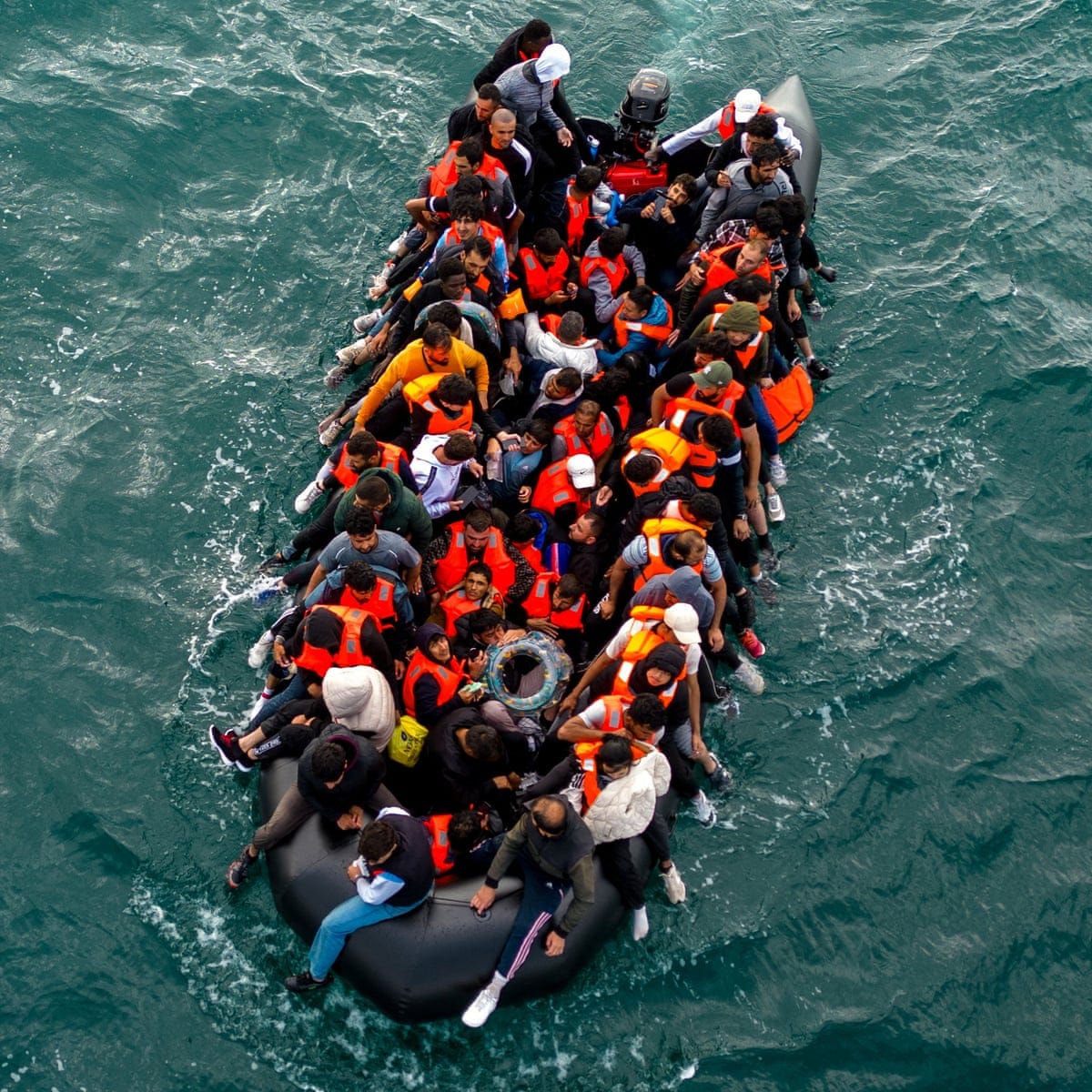
Let’s call him Rustam. It’s an Uzbek name and that’s what it turned out that he was, though at the beginning of our journey I thought he was Iranian. And as we headed in slow traffic from Heathrow to North London he told me his story; the story of - if you are a Mail reader or a Reform supporter - the current British nightmare. Rustam turned out to be the “man of fighting age” who had been smuggled into Britain. I put my nearly finished long piece on antisemitism in Mussolini’s Italy on ice for a couple of days to tell you what Rustam told me.
But first let’s look at that phrase: “men of fighting age”, which could just as easily have been “men of working age” but wasn’t. It is ubiquitous on the Right now, but the earliest use of it that I can find is in an article from December 2022 in the Spectator when the scribbling condottiere Ross Clark commented that “most” small boat crossers “are men of fighting age”. His point was to ensure that the reader didn’t waste their sympathies imagining that many of the asylum seekers were women or children.

The phrase was soon taken up by Nigel Farage in social media postings. In a video in August 2023 depicting some of those who had just made the crossings Farage froze the marrow of his audience by pointing out that “these fighting-age men are crossing the Channel as we speak.”
Clark used it again in the Spectator in April 2025, and the late Patrick O’Flynn deployed it in the same magazine two months later. Migration Watch’s ancient founder, Lord Green of Deddington, infuriated by the proposition to housing migrants in old army camps, demanded of the House of Lords in October 2025, “how dare anyone suggest that the accommodation in any of our former military bases is not good enough for single men of fighting age...”
By last year the phrase had almost become a slogan on GB News. Presenter Eamonn Holmes referred to “men of fighting age from entirely different cultures”, pipsqueak “correspondent” Ben Leo commenting on pictures of arrivals told viewers, “that footage there is part of a convoy of mostly fighting age males...”
In August 2025 a pre-defection former Conservative Home Secretary, Suella Braverman went on GB News to warn that “over 90 per cent of illegal arrivals are men of fighting age. Young, single men.” The Reform MP Lee Anderson in the Commons stated that “nobody wants young, fighting-age males—400 of them sometimes—from backward cultures...”
By the end of last year the phrase appeared multiple times in the Telegraph and on the Facebook page of the current Conservative shadow Home Secretary – the principle-free zone that is Chris Philp.
The intention behind the phrase is obvious: we are being forced to import thousands of dangerous, unassimilable young men, many of whom – being “of fighting age” – will fight us, and then like the men of the Odyssey, sack our towns and rape our women. One irony here is that in the last year the largest national group to arrive by boats has been Eritreans escaping compulsory military service – ie “fighting age men” who are desperate not to fight.
Rustam’s story
I initially thought Rustam was Iranian because he said that after he’d dropped me off he’d be going to Hendon to meet a woman that he had met at a Persian restaurant where “they have a DJ and dancing!”
Rustam is in his mid 40s, dark-haired, handsome, well-built and with a majestic nose, though most of our conversation was conducted with me looking at the back of his neck or catching his eyes in the driving mirror.
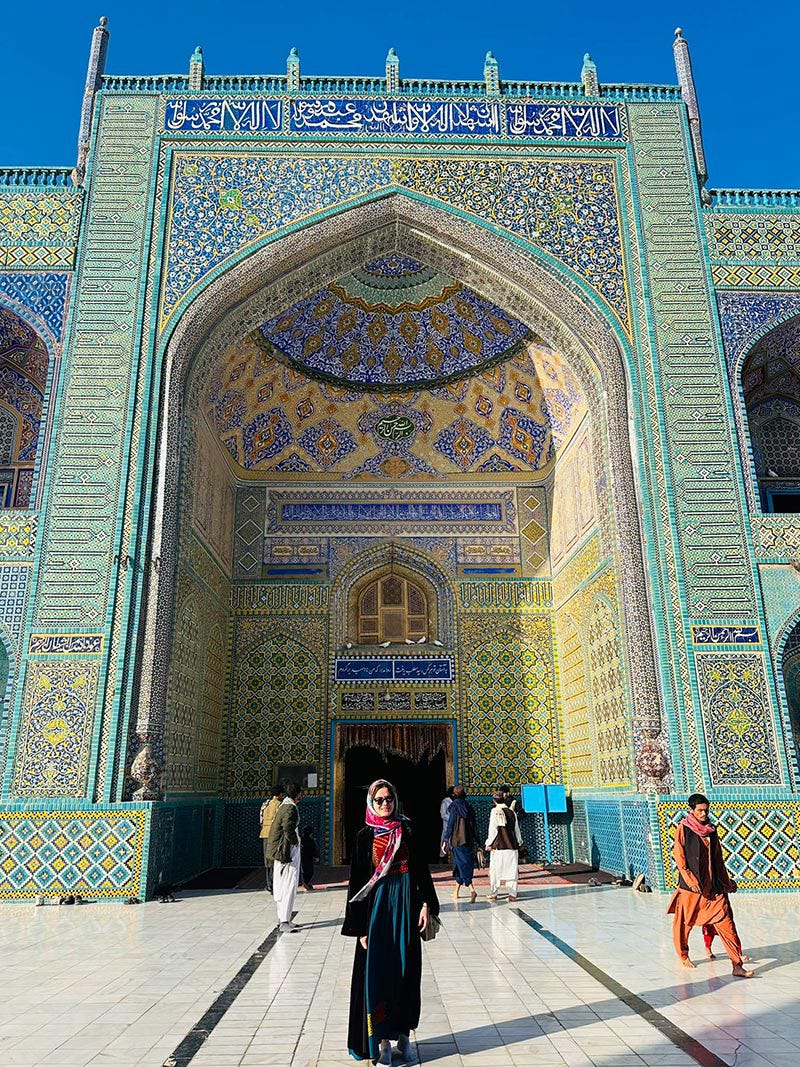
So I asked him, was he from Iran and he said no, he was from northern Afghanistan, where the languages were Farsi and Uzbek. He spoke them both he said, along with Russian, Hindi and English, but his family were Uzbeks from near Mazar-i-Sharif. His father had been an officer in the Afghan army which, at the time when he was a child, had been trained by the Soviets.
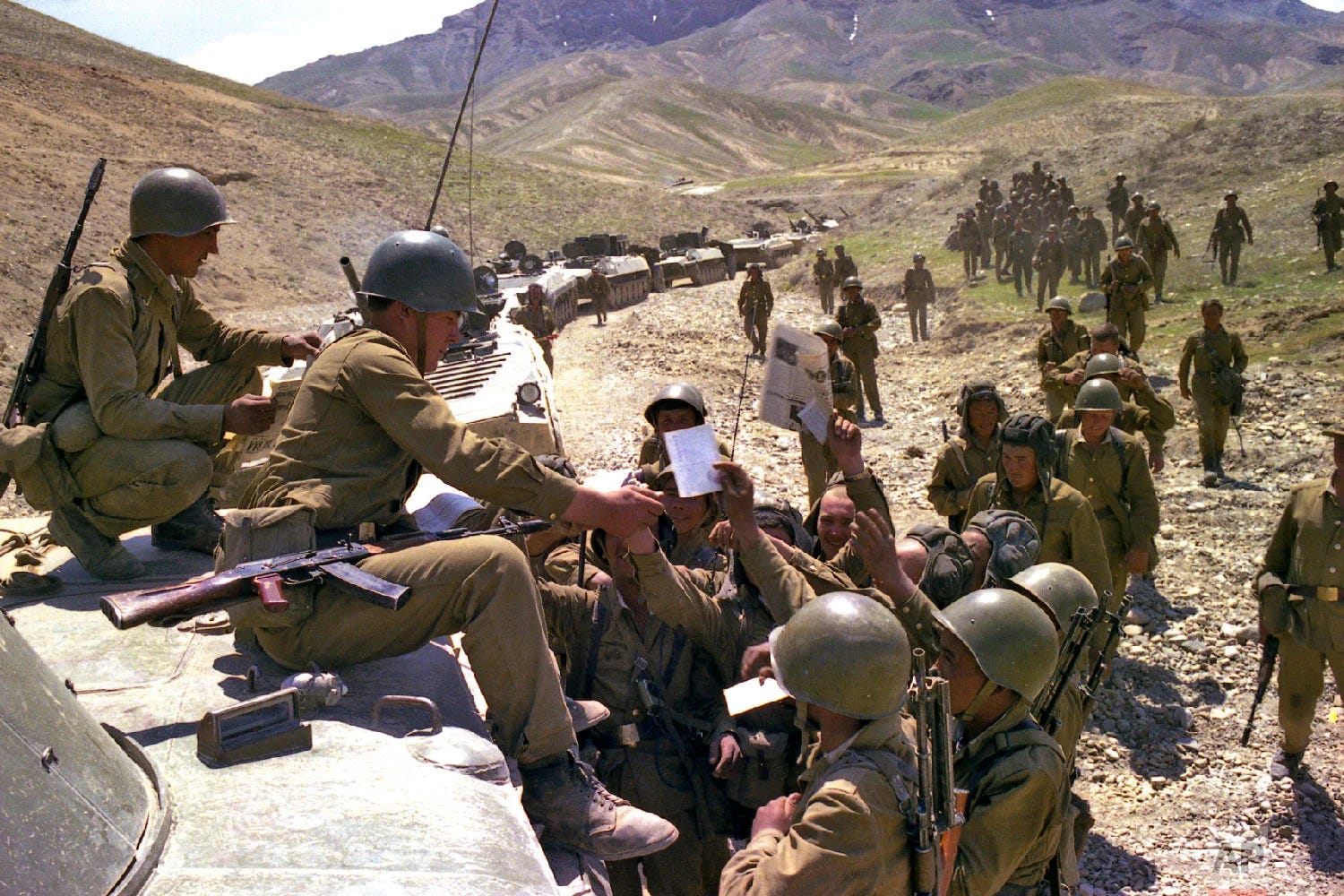
Not long afterwards the Russians had invaded the country following a coup against their client government in Kabul, and Rustam recalled Russian soldiers handing out chocolate to the local children. But in the period following the Soviet withdrawal in early 1989, civil war had broken out. In 1997 the Taliban attacked Mazar-i-Sharif. The assault failed but the writing was on the wall. The teenage Rustam fled to Yeltsin era Moscow. “It was terrible”, he said, “no food, no jobs, corruption, policemen demanding bribes”. Rustam crossed the border into Ukraine, then into Poland.
From there he managed to get to Hungary where he was helped by refugee charities. Then he smuggled himself (or was smuggled) into Austria, took a train from there to Amsterdam, ending up in Belgium. “When I was a boy we listened all the time to the BBC in Farsi,” he told me. “It was so clear and well-presented. There was that sound of Big Ben. And that’s why my first choice of country was Britain – I wanted to go to London”.
In 1998 Rustam hid in a lorry heading for England. He was one of an estimated 8000 people who arrived in the UK that year stowed away in trucks and other vehicles. “When we got out we were in High Wycombe”, he said.
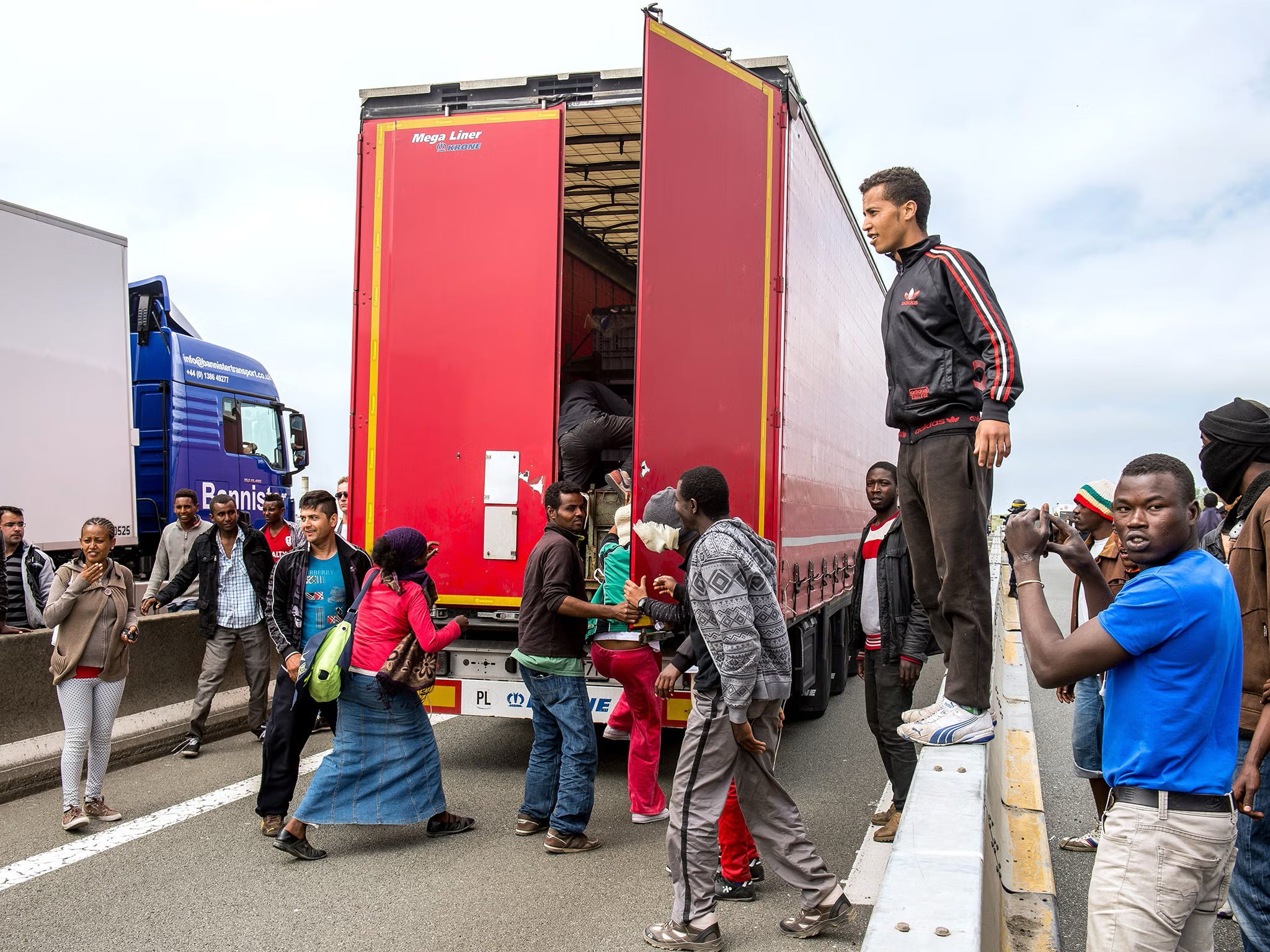
The late 90s and early noughties were the peak time for asylum seekers arriving in the UK. In 2002 around 103,000 came to Britain – a number that has never been surpassed. And if you didn’t know that and were under the impression that round about now was the peak time, then I’m not surprised. Who, after all, will enlighten you? When the lorry route – which could be accessed without paying a middleman - was effectively closed, the smugglers found another way of getting people into Britain: small boats. Usually more dangerous and much more visible.
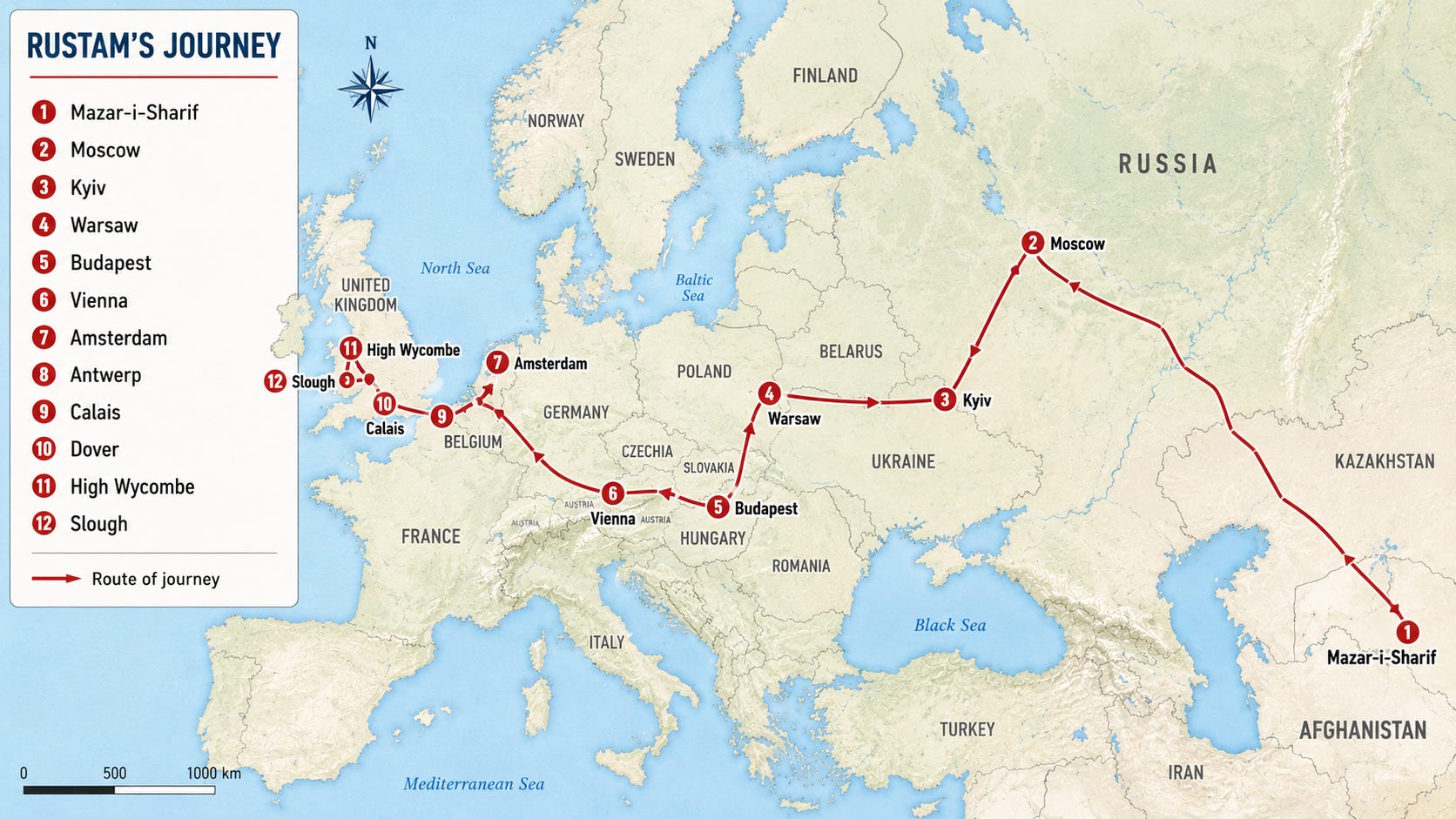
Rustam found his way to Slough where he says the council housed him (he didn’t say how) and fed him. Though I didn’t manage to find out exactly what had happened it’s clear that his claim for refugee status was accepted. He was given leave to remain, made ends meet by working in warehouses and then started up a pizza restaurant, using a bank loan guaranteed by a friend. I don’t imagine that pizza is a staple in northern Afghanistan but fast-food outlets have long been a way for poor, hard-working migrants to start off in business.
So now Rustam was settled in Slough. His first marriage – an arranged one – didn’t work out. At some point he also departed the pizza business. In 2008 he became a British citizen, fathered three children, all of whom live with him in Slough in what is a burgeoning Afghan community. “There used to be a lot of Africans” Rustam informed me, “but they’ve gone.” I haven’t checked whether this is true.
Then in 2013 a British security company contracted to find Afghans to act as translators for US special forces in Afghanistan, recruited Rustam. After training in Baltimore he was sent back to northern Afghanistan – a “fighting age man” helping the allies with their fight. He spent two and a half years in the service before returning to Slough, where friendly bombs were not falling.
Now this friendly, eloquent Lothario (or at least that’s what I suspect) drives a Merc and has a portfolio of jobs because, above all, he is a man of working age. And if he is every Reform voter’s delusional nightmare, he certainly hasn’t let it bother him. Yet.
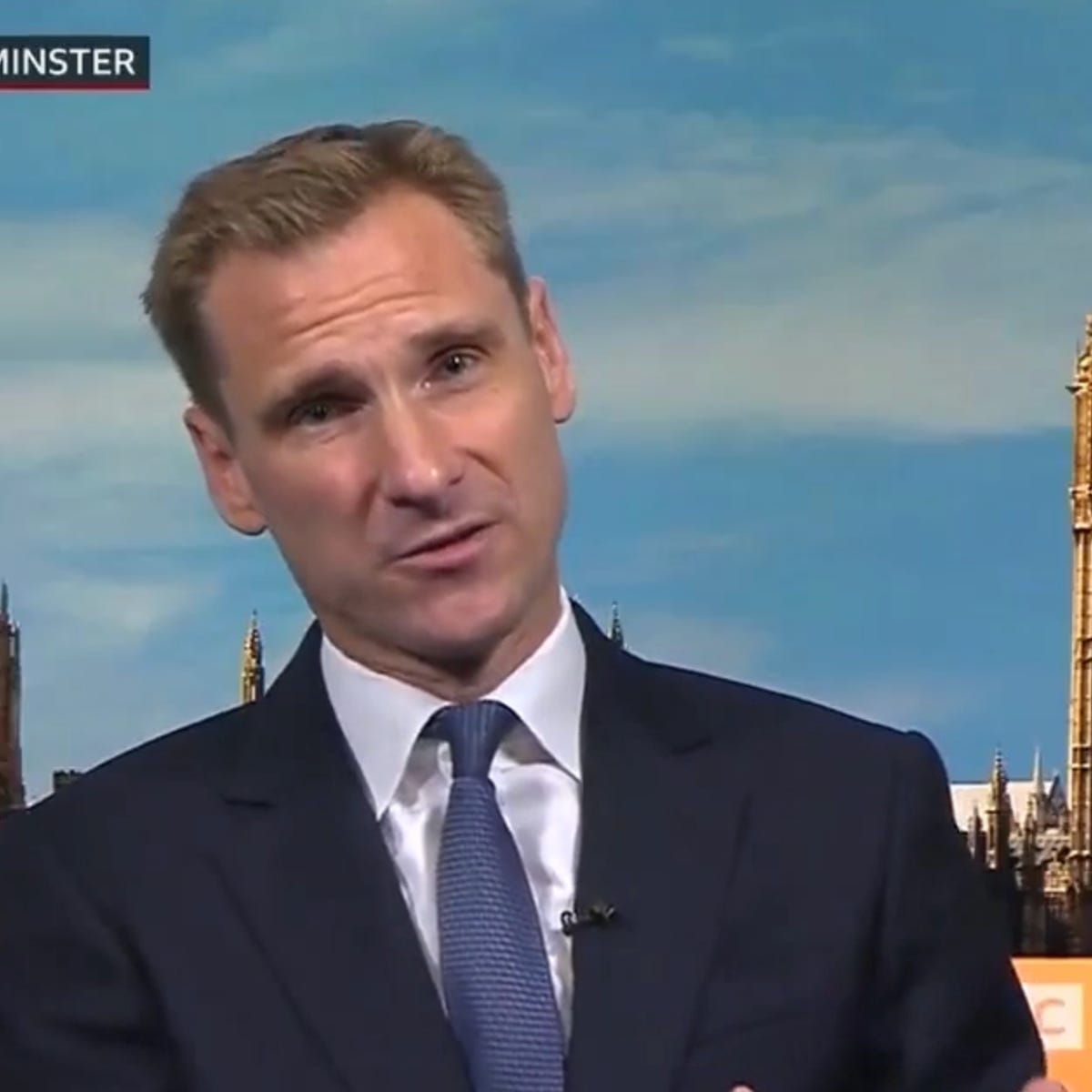
So here’s a question: who would you rather have in the front of your cab, Rustam or Chris Philp?
'In 2002 around 103,000 came to Britain – a number that has never been surpassed. And if you didn’t know that and were under the impression that round about now was the peak time, then I’m not surprised. Who, after all, will enlighten you?' Answer: David Aaronovitch. Pity his columns aren't enough. The Govt is proposing to protect children from social media harm and misinformation, but what can be done for voting adults? Protect me from Chris Philp! Have you sent him this piece? You have identified the problem more than once in your excellent substack, can you offer some solutions. What needs to be done to curb the rentless flow of misinformation that threatens our civil liberties, social cohesion, even our democacy.
Very interesting. It’s good to see a bit of linguistic research on the emergence of the phrase “men of fighting age”. And it’s interesting to hear about his multilingualism. But it’s the norm in many parts of the world. English speakers are lucky to be able to get away with just knowing one language. It also occurs to me that men of fighting age are also men of cricket playing age, and quite a few Afghans of that age may be quite good at it. That’s a good thing in my view.